Skip to content
Citrus Tour Safaris
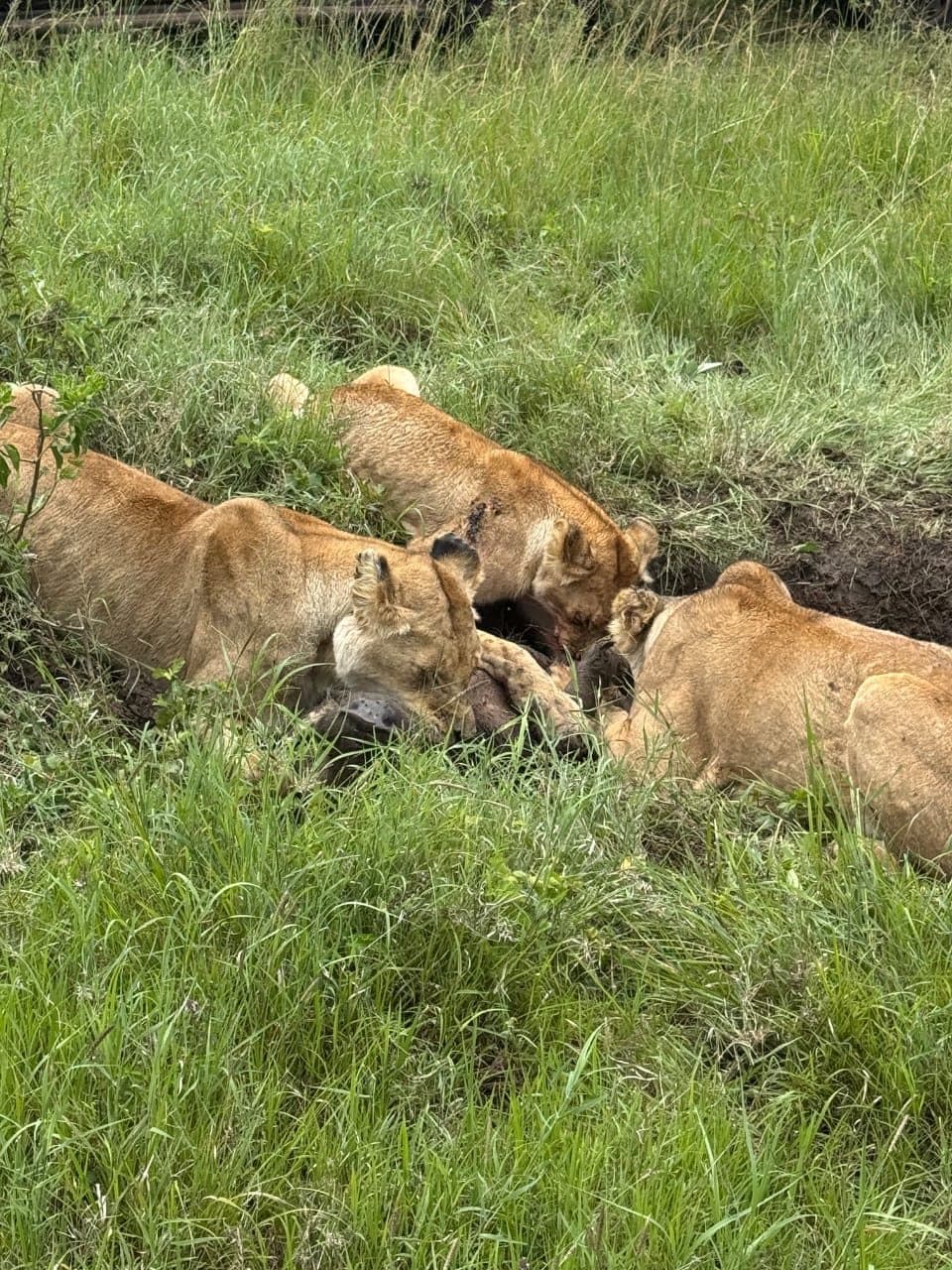
Lions resting in long golden grass
Luxury13 days · 12 nightsKenya & Tanzania

13 Days Magical Kenya & Tanzania — Luxury

Built around Maasai Mara, Lake Nakuru and Lake Naivasha, this 13-day safari with the region's finest camps, private guiding and unhurried days. 12 nights on safari, priced on request.

Mara - Nakuru - Naivasha - Amboseli - Arusha - Manyara - Ngorongoro - Serengeti - Tarangire

About this safari

The route opens in Maasai Mara — big cats, open plains and the northern stage of the Great Migration — and works through 7 further destinations over 13 days. It crosses between Kenya and Tanzania; the final proposal will explain the border arrangements, vehicles and guiding. Accommodation is at the luxury standard: premium camps and lodges where the accommodation is part of the experience. At this level the camps are as much a reason to travel as the wildlife: limited suites, exceptional food, private decks and guiding of a standard that changes what you see. Like every safari in this catalogue, it is priced on request rather than sold at a published rate, because park fees, permits, group size and contracted accommodation all change the figure.

Highlights

  • Maasai Mara: exceptional predator density, with large lion prides, resident leopard along the river courses and cheetah on the open grassland.
  • Lake Nakuru: one of the most reliable places in Kenya to see white rhino, with black rhino also present in good numbers.
  • Lake Naivasha: a boat trip brings you genuinely close to hippo pods and fish eagles, which is a different experience from viewing wildlife through a vehicle window.
  • Amboseli: large, relaxed elephant families, including some of the biggest surviving tuskers in Africa, moving between the swamps and the dry plains.
  • Lake Manyara: tree-climbing lion, unusual behaviour seen in only a handful of places in Africa.
  • Ngorongoro: the highest permanent density of large mammals anywhere in Africa, all within a contained caldera.
  • Serengeti: the Great Migration, the largest terrestrial mammal movement on earth, is resident here for most of the year.

Day by day

Your 13-day itinerary

Written out in full before you book, so you can see exactly how the days are paced and where each night is spent.

  1. Day 1

    Nairobi to Maasai Mara

    This planning outline starts in Nairobi and continues towards the first destination; the collection point, time and transport are confirmed in the final proposal. Leaving the highlands behind, the descent into the Rift Valley opens onto a view that runs for fifty kilometres, with the floor spread out below and volcanic cones breaking the far skyline. Beyond Narok the tarmac thins and the country turns to rolling grass and scattered acacia, Maasai herders moving their cattle along the verges, until the reserve gate brings you into the ecosystem itself. The Mara's density is what makes it remarkable — sightings come quickly, and the day tends to build rather than drag. Expect long stretches of plains game: zebra, topi, Thomson's gazelle, eland and Maasai giraffe, with buffalo herds grazing in the bottomlands. Overhead, vultures circling low is always worth following, and the sudden stillness of a grazing herd usually means a predator is somewhere in the grass. The suggested standard is luxury. Citrus will identify the available property and contracted services before confirmation.

    Overnight: Maasai Mara

    A cheetah watching the plains from raised ground
  2. Day 2

    A full day in Maasai Mara

    Game drives cover genuinely different country within a short distance. The Musiara marsh draws elephant and buffalo to permanent water, the open grassland of the central plains is where cheetah have the room they need to run, and the broken ground towards the escarpment holds different prides again. Between sightings there is the sheer breadth of the place — grass running to the horizon under an enormous sky. The Mara's density is what makes it remarkable — sightings come quickly, and the day tends to build rather than drag. Expect long stretches of plains game: zebra, topi, Thomson's gazelle, eland and Maasai giraffe, with buffalo herds grazing in the bottomlands. Overhead, vultures circling low is always worth following, and the sudden stillness of a grazing herd usually means a predator is somewhere in the grass. The catalogue suggests a premium camp or lodge here. The exact property, suite and services remain subject to availability and quotation.

    Overnight: Maasai Mara

    A cheetah watching the plains from raised ground
  3. Day 3

    Maasai Mara to Lake Nakuru

    The itinerary continues by road, the route crosses some of Kenya's most productive farmland before dropping towards the lake basin, and the contrast at the park gate is abrupt. One moment there is maize and small-holding, the next there is acacia woodland with waterbuck standing in it and pelican working the shallows a short distance away. Time in the park is spent on a circuit that takes in the shoreline, the woodland and the viewpoints above. Defassa waterbuck are everywhere, buffalo graze in herds near the water, and lion are present though they often lie up in the acacia through the heat. The drowned trees standing in the risen water are a reminder of how much the lake has changed over the past decade. A luxury stay is proposed for this night, with the final property and arrangements confirmed in writing.

    Overnight: Lake Nakuru

    Zebras grazing on open grassland
  4. Day 4

    Optional: on to Lake Naivasha and a boat on the lake

    If this optional activity is included in your written quotation, a boat trip on the lake is the reason most itineraries stop here. Cutting the engine near a hippo pod brings you closer to these animals than any vehicle can, and the birdlife along the shoreline is extraordinary — fish eagle calling from the dead trees, pelican working the shallows in line, cormorant colonies packed onto drowned branches, and herons stalking the papyrus edge. Boat trips are normally an optional extra rather than an automatic inclusion. Leaving the previous stop behind, the drive to Naivasha is easy going on good tarmac, and it delivers you to somewhere that feels like a change of gear after several days of early starts and dusty tracks. The lakeshore is green and shaded, the water is fresh, and the activities are gentler — a boat among the hippos, a walk among plains game, or simply an afternoon with binoculars. This outline assumes the catalogue's premium standard. No named camp is guaranteed until the quotation confirms it.

    Overnight: Lake Naivasha

    The red cliffs and open track of Hell's Gate National Park near Lake Naivasha
  5. Day 5

    Lake Naivasha to Amboseli

    The next section of the circuit moves on, the road south from Nairobi runs towards the Tanzanian border through increasingly dry country, and the last stretch across the Amboseli plains is dust-coloured and almost treeless. Then the landscape does something unexpected: out of that parched ground rise permanent green swamps, fed by meltwater filtering underground from Kilimanjaro, and elephants are standing in them. The open, almost treeless terrain gives Amboseli long sightlines and makes it one of the best photographic parks in Kenya. Morning drives work the swamp edges where elephant, buffalo and hippo gather, while the dry lake bed shimmers and distorts in the heat further out. If the cloud lifts off Kilimanjaro — most likely in the first and last hour of daylight — the mountain dominates everything. The suggested standard is luxury. Citrus will identify the available property and contracted services before confirmation.

    Overnight: Amboseli

    An elephant herd moving across open savannah
  6. Day 6

    A full day in Amboseli

    Time in Amboseli is best spent at the edges of the day. The middle hours bring heat, glare and fine volcanic dust; the first and last hours bring low gold light, active animals and the best chance of a clear mountain. Your guide will plan around that, heading out early, returning to rest through the worst of the heat, and going out again as the light softens. The birdlife around the swamps is easy to underestimate — pelican, crowned crane, African spoonbill, sacred ibis and large numbers of waders work the shallows, and raptors hunt the open ground. Between elephant sightings there is always something on the water, and the contrast of a green marsh set into grey dust is part of what makes the park photograph so well. The suggested standard is luxury. Citrus will identify the available property and contracted services before confirmation.

    Overnight: Amboseli

    An elephant herd moving across open savannah
  7. Day 7

    Crossing into Tanzania — Amboseli to Arusha

    This travel day carries the route onward, returning to Arusha from the parks, the road climbs gradually back towards Mount Meru, past coffee estates and Maasai grazing land. The town itself sits at about 1,400 metres, green and temperate, and after days of dust and early starts a hot shower and a proper meal have obvious appeal. Time in Arusha is practical rather than scenic — vehicles are checked and restocked, guides are introduced or handed over, and the itinerary is talked through in detail. For anyone with a spare few hours, the coffee estates on Meru's lower slopes make an easy and genuinely interesting outing. A luxury stay is proposed for this night, with the final property and arrangements confirmed in writing.

    Overnight: Arusha

    A comfortable lodge bedroom
  8. Day 8

    Arusha to Lake Manyara

    The next leg links the two destinations, the road to Manyara passes through Mto wa Mbu, a busy market town where the produce of several climates meets in one place, before reaching the park gate at the base of the escarpment. Inside, the transition is immediate: from roadside bustle into deep, shaded groundwater forest within a hundred metres. Manyara packs an unusual amount of variety into a small area. The drive begins in dense groundwater forest fed by springs at the base of the escarpment, where blue monkey and olive baboon move through the canopy and silvery-cheeked hornbill call overhead. It then opens into acacia woodland — the classic place to scan for lion resting in the branches — before reaching the floodplain and the lake shore. This outline assumes the catalogue's premium standard. No named camp is guaranteed until the quotation confirms it.

    Overnight: Lake Manyara

    Zebras grazing on open grassland
  9. Day 9

    Lake Manyara to Ngorongoro

    The itinerary continues by road, the road climbs steeply out of the Rift Valley into the Ngorongoro highlands, through forest thick with wild olive and strung with lichen, and the air turns cold and damp. Then the trees break at the rim, and the crater is simply there below — twenty kilometres across, six hundred metres down, with its own weather moving across the floor. It is a genuinely arresting first view. The descent road drops six hundred metres to the floor, and the transition from cold, misty rim to warm open grassland takes about twenty minutes. Down there the crater feels less like a park than an enclosure — walls rising on every side, weather moving across in visible fronts, and animals concentrated at a density that takes some adjusting to. The suggested standard is luxury. Citrus will identify the available property and contracted services before confirmation.

    Overnight: Ngorongoro

    Zebras grazing on open grassland
  10. Day 10

    Optional: ngorongoro Crater descent, on to Serengeti

    This activity is a planning option and only forms part of the day when it appears in the written quotation. Leaving the previous stop behind, the journey into the Serengeti is long, and it is a genuine part of the experience rather than dead time. You climb through the highlands, skirt the crater rim, cross the conservation area where Maasai herd cattle alongside wildlife, and then descend onto the plains where the herds are. Game viewing effectively begins as soon as you pass the gate. The catalogue suggests a premium camp or lodge here. The exact property, suite and services remain subject to availability and quotation.

    Overnight: Serengeti

    A rhino grazing in open grassland
  11. Day 11

    A full day in Serengeti

    Between the large predators there is a great deal else. Bat-eared fox and serval hunt the short grass, secretary birds stride through it, and agama lizards blaze orange and blue on the kopjes. Your guide will stop as readily for a serval hunting in long grass as for a lion, and on a good day that is exactly the right call. With a full day there is time to work an area rather than pass through it. Following a single pride through a morning, waiting out a cheetah that is clearly building towards a hunt, or simply sitting with a leopard until it moves — these are the things a compressed itinerary cannot do, and they are what people remember. A luxury stay is proposed for this night, with the final property and arrangements confirmed in writing.

    Overnight: Serengeti

    A cheetah watching the plains from raised ground
  12. Day 12

    Serengeti to Tarangire

    The route then continues onward, heading back towards Tarangire, the country dries out again after the highlands and the baobabs return to the skyline. In the dry months the park draws wildlife from a far wider area than its boundaries, because the river holds water when nothing around it does — which is exactly why it is such a productive stop. In the dry season Tarangire holds the largest elephant concentrations on the northern circuit, drawn from a huge surrounding area to the only permanent water for miles. Herds of several hundred gather along the riverbed, digging for water in the sand and moving between the baobabs in long files. It is the most reliable elephant viewing in Tanzania and the reason the park earns its place. This outline assumes the catalogue's premium standard. No named camp is guaranteed until the quotation confirms it.

    Overnight: Tarangire

    An elephant herd moving across open savannah
  13. Day 13

    Tarangire to Nairobi

    The final day's exact pace depends on the confirmed transfer and onward travel arrangements. Drives work the river circuits where game concentrates, then out into the woodland and towards the southern swamps where the country opens up. Tarangire holds dry-country species the rest of the circuit lacks — fringe-eared oryx, lesser kudu and gerenuk — and its bird list exceeds 500 species, including the yellow-collared lovebird found nowhere else. The town sits green and temperate beneath Mount Meru, and after days of dust it is a comfortable place to land. There is usually time to change money, pick up anything forgotten, and sit somewhere with a cold drink while your guide handles permits and paperwork for the days ahead. The planning route returns to Nairobi; the final drop-off and timing will be agreed around the confirmed onward arrangements.

    Safari ends

    An elephant herd moving across open savannah

Where you stay

Suggested accommodation

Accommodation below is the suggested standard for this package, taken from the Citrus catalogue. Where an entry describes a standard rather than a named property, we confirm the exact camp or lodge with your quotation. Named properties are suggestions and are substituted with comparable alternatives if they are unavailable for your dates.

Source catalogue listing

Bateleur/Cottar's + The Cliff + Loldia House + Tortilis + Gran Melia + Manyara Tree Lodge + The Manor + Four Seasons + Lemala Mpingo Ridge

This is reproduced exactly from the catalogue. The written quotation will allocate nights and confirm each available property before booking.
Typical safari arrangements may include

These are planning examples, not confirmed inclusions for this package. Your written quotation will confirm exactly what is included.

  • A private or shared safari vehicle may be proposed, depending on the route and quotation
  • Guiding, transfers and game drives may be included where they are itemised in the written quotation
  • Park, reserve and permit costs may be included or quoted separately; the quotation will say which
  • Accommodation may be quoted at the suggested standard or at an agreed alternative
  • Meals, drinking water and taxes vary by supplier and will be itemised or described in the quotation

Costs that may be separate

The quotation will identify every separate cost before you confirm.

  • International or domestic flights and airport charges may be separate
  • Visas, travel insurance and health requirements are normally the traveller's responsibility
  • Gorilla and chimpanzee permits may be included or billed separately
  • Optional activities, drinks, tips, laundry and personal purchases may be separate
  • Any cost not addressed by the draft itinerary should be checked before the booking is confirmed
  • Optional extras on this route: balloon safari and Maasai community visits; a lake boat trip, a walking visit or cycling at Hell's Gate; a community visit arranged with a local partner; a canopy walkway or night drive where available; a balloon safari where available

Important notes

  • Accommodation shown is suggested rather than contracted. The exact property is confirmed in your written quotation and may change with availability.
  • Wildlife sightings, migration movements, river crossings and clear mountain views depend on season, weather and chance and cannot be guaranteed.
  • Activities described as optional are excluded unless the written quotation expressly includes them.
  • The day-by-day text is a planning outline derived from the catalogue route. Your quotation will confirm exact transfers, activities, meals, permits and accommodation.

Before you ask

Planning questions for this route

What does price on request mean for this safari?

The catalogue sets the route and travel standard, but it does not publish a fixed price or a contracted inclusion list. Citrus will prepare a written quotation for your dates, party and rooming, showing the exact transfers, activities, accommodation, meals, fees and permits before you confirm.

Is the listed accommodation guaranteed?

No. It is suggested accommodation from the source catalogue. Availability and any proposed alternative are confirmed in the written quotation before a booking is made.

Is a clear view of Mount Kilimanjaro guaranteed?

No. Cloud and weather can obscure the mountain even when a route is timed well.

Can the pace of this longer route be changed?

Ask Citrus to revise it. Any change to route, nights or transport must be reflected in the final itinerary and quotation.

Ready when you are

Let’s shape this safari around you

Tell us your dates and who is travelling, and we will come back with availability, honest advice on timing and a written quotation for this route.

WhatsApp
WhatsApp