Uganda
Uganda
Mountain gorillas, chimpanzees and green savannah
Uganda is the primate destination of East Africa, and it feels different from Kenya and Tanzania from the moment you leave Entebbe. The country is green, hilly and intensively farmed, sitting on the equator at altitude where the climate stays mild and rain is possible in any month. Roughly half the world's remaining mountain gorillas live in Bwindi Impenetrable Forest, and tracking them — an hour spent a few metres from a habituated family in dense montane forest — is the single most extraordinary wildlife experience in the region. Kibale Forest holds one of the highest primate densities in Africa and is the best place anywhere for chimpanzee tracking. Alongside the forests, Queen Elizabeth and Murchison Falls national parks hold conventional savannah wildlife: elephant, lion, buffalo, hippo and the Victoria Nile pouring through an eight-metre-wide gorge.
Why visit Uganda
- Mountain gorilla trekking in Bwindi, where about half the world's remaining population lives.
- Chimpanzee tracking in Kibale Forest, which has one of the highest primate densities in Africa.
- Murchison Falls, where the Victoria Nile forces through an eight-metre-wide gorge and drops 45 metres.
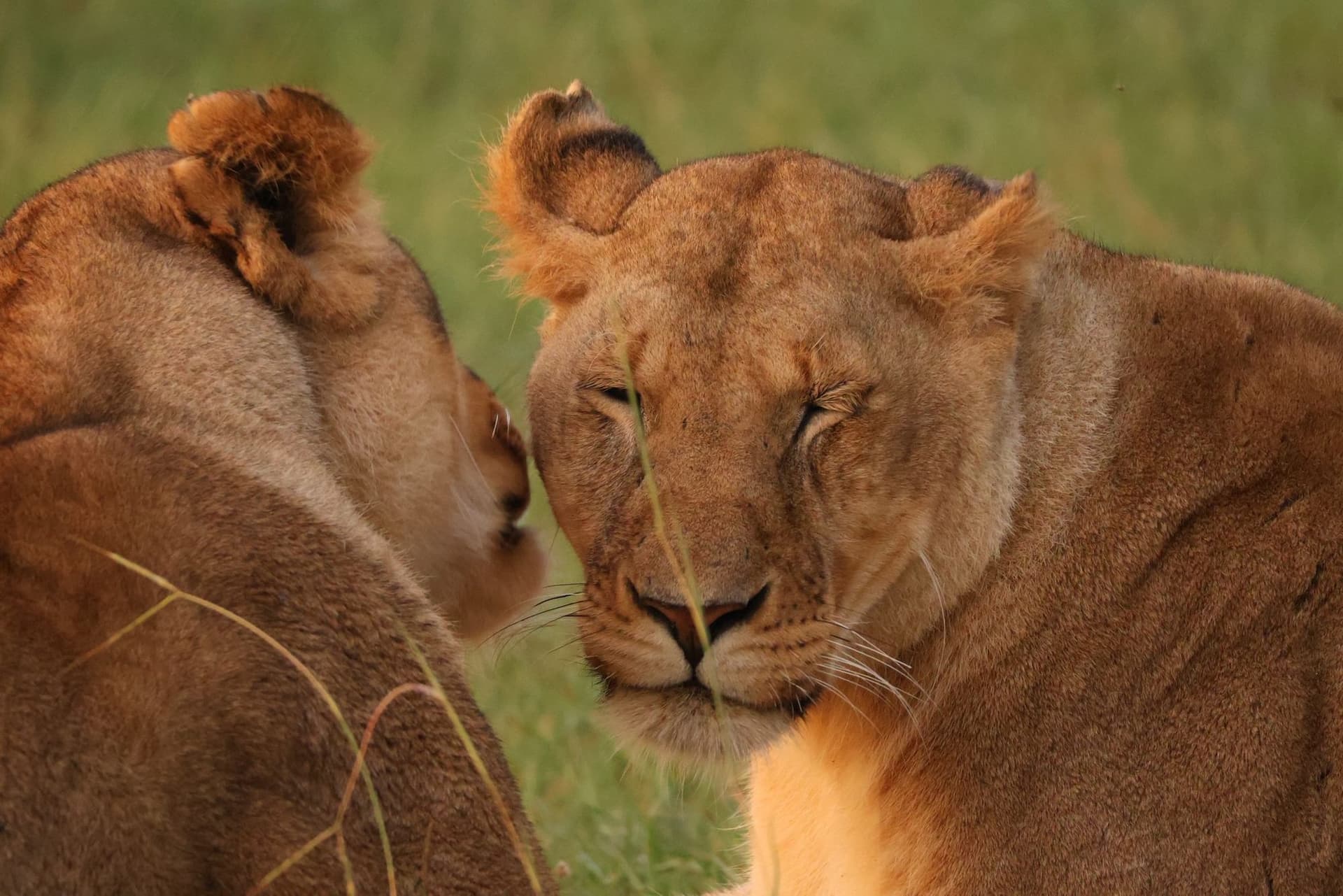
- Tree-climbing lion in the Ishasha sector of Queen Elizabeth National Park.
Wildlife
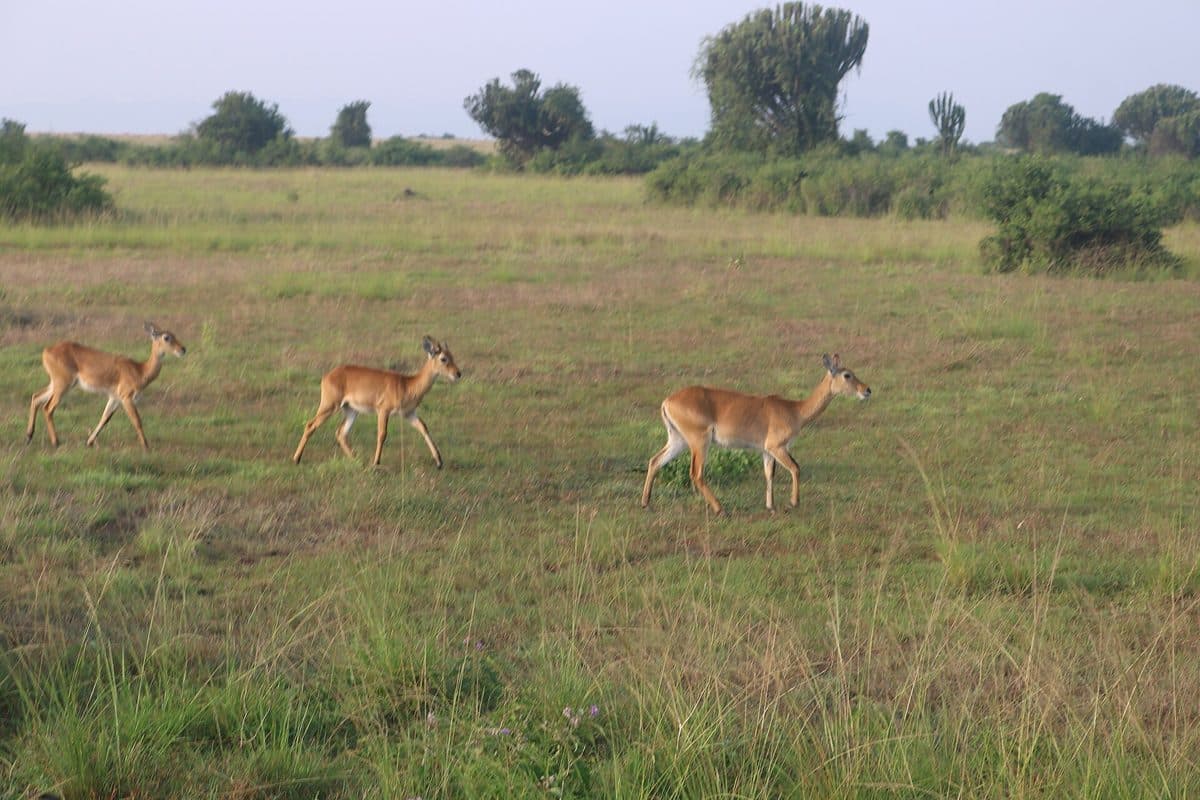
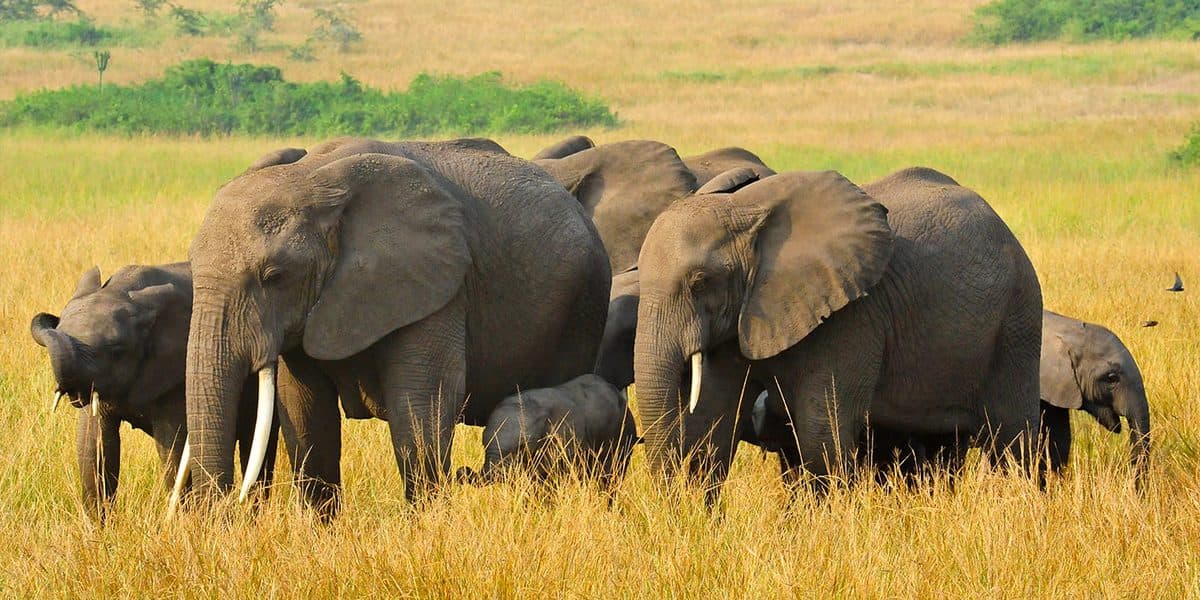
Mountain gorilla and chimpanzee are the headline species and the reason most visitors come. The savannah parks hold elephant, buffalo, lion, leopard, Uganda kob, waterbuck and very large hippo populations, plus Rothschild's giraffe at Murchison Falls. There are no wild rhino in the national parks; the Ziwa Rhino Sanctuary protects a reintroduced population on private land. Uganda's bird list exceeds 1,000 species, among the richest in Africa.
- Mountain gorilla in Bwindi and Mgahinga
- Chimpanzee in Kibale Forest
- Tree-climbing lion in the Ishasha sector
- Rothschild's giraffe at Murchison Falls
- Over 1,000 recorded bird species, including the shoebill
Best time to visit
The drier months of June to August and December to February are best, mainly because forest trekking trails are less slippery and roads hold up better. Uganda sits on the equator and rain is possible at any time of year, so trekking is never guaranteed to be dry. Gorilla permits are limited and must be secured well in advance regardless of season.
June–August and December–February for the driest trekking conditions.
Things to do
- Gorilla trekking
- A permit-controlled trek in Bwindi, with one hour permitted with a habituated family.
- Chimpanzee tracking
- Permit-controlled tracking in Kibale Forest, also limited to one hour with the group.
- Boat safaris
- Launch cruises on the Kazinga Channel and the Victoria Nile below Murchison Falls.
- Savannah game drives
- In Queen Elizabeth, Murchison Falls and Lake Mburo national parks.
- Batwa cultural experience
- Time with the Batwa communities formerly resident in the forest, arranged as a separate activity.
How long to stay
Three days covers a straightforward fly-in-and-trek gorilla trip from Entebbe. Five days allows gorillas plus chimpanzees and some savannah wildlife. Eight to twelve days makes a full circuit taking in Murchison Falls, Kibale, Queen Elizabeth, Bwindi and the crater lakes.
What it combines with
Uganda works as a standalone primate trip or as a gorilla extension to a Kenyan or Tanzanian safari. Internal driving distances are long, so most Uganda routes are circuits rather than out-and-back journeys.
Inside Uganda
Parks and places
Bwindi
Half the world's mountain gorillas, in genuinely impenetrable forest
Kibale
The best chimpanzee tracking in Africa
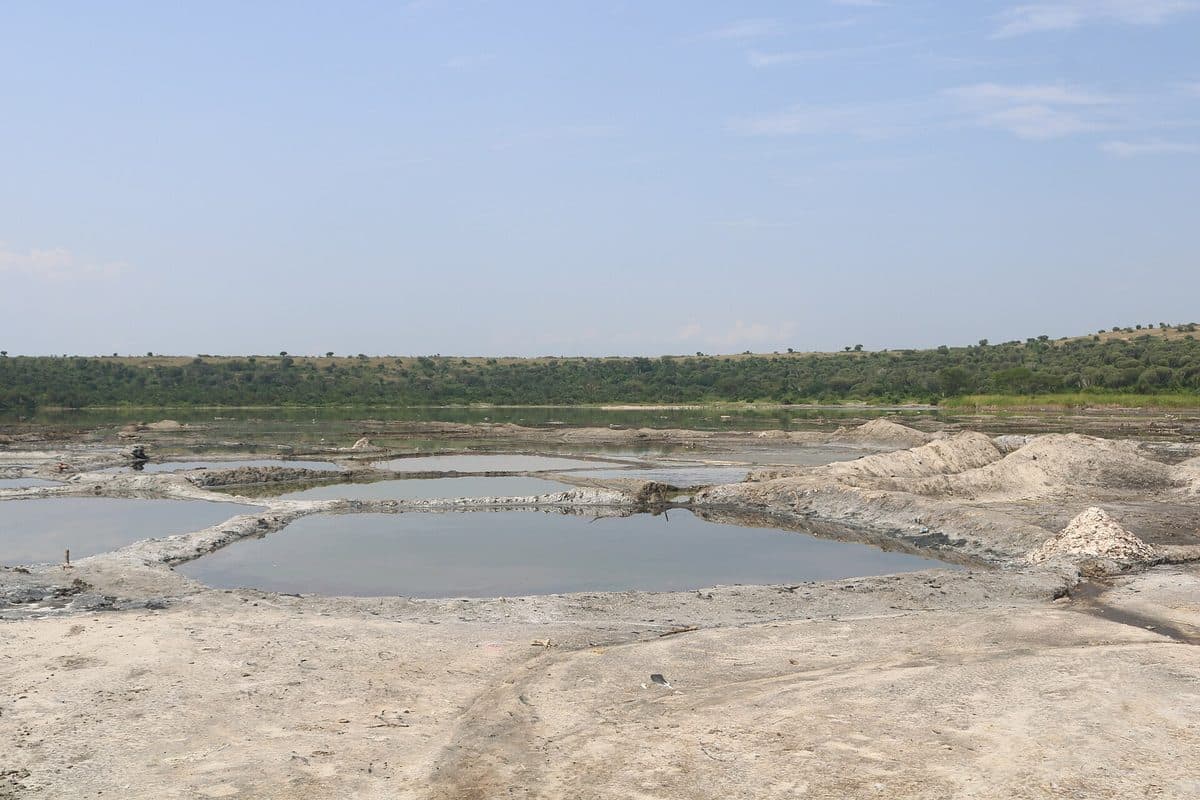
Queen Elizabeth
Kazinga Channel hippos and the tree-climbing lions of Ishasha
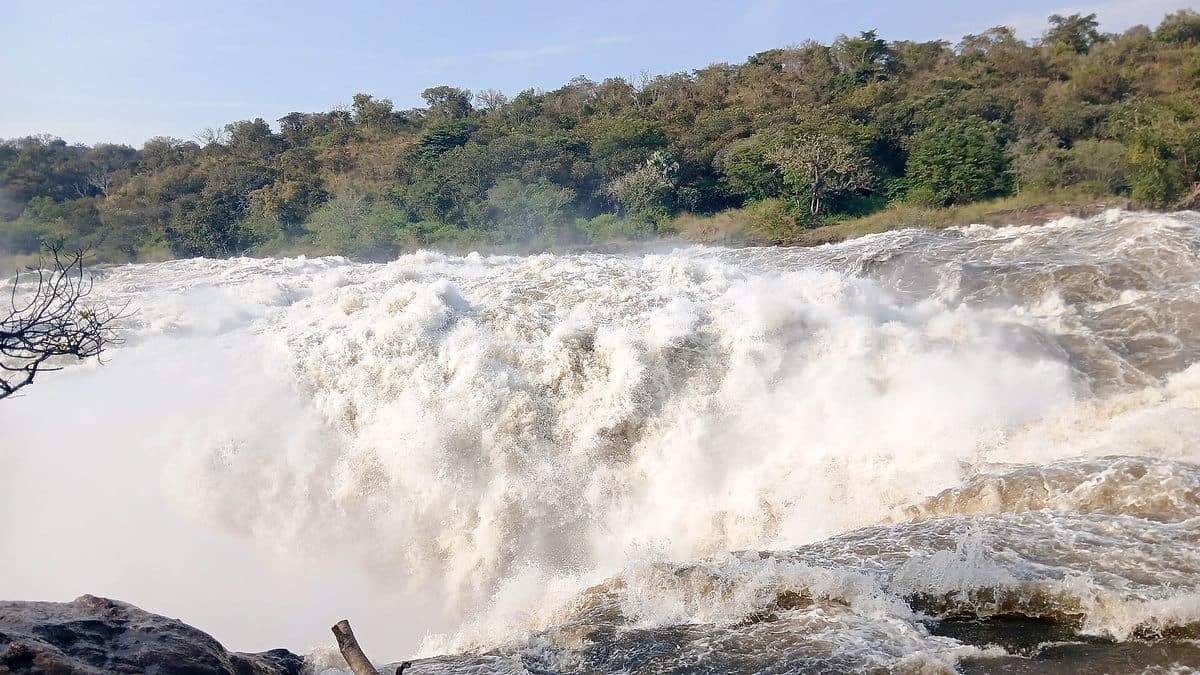
Murchison Falls
The Nile forced through an eight-metre-wide gorge
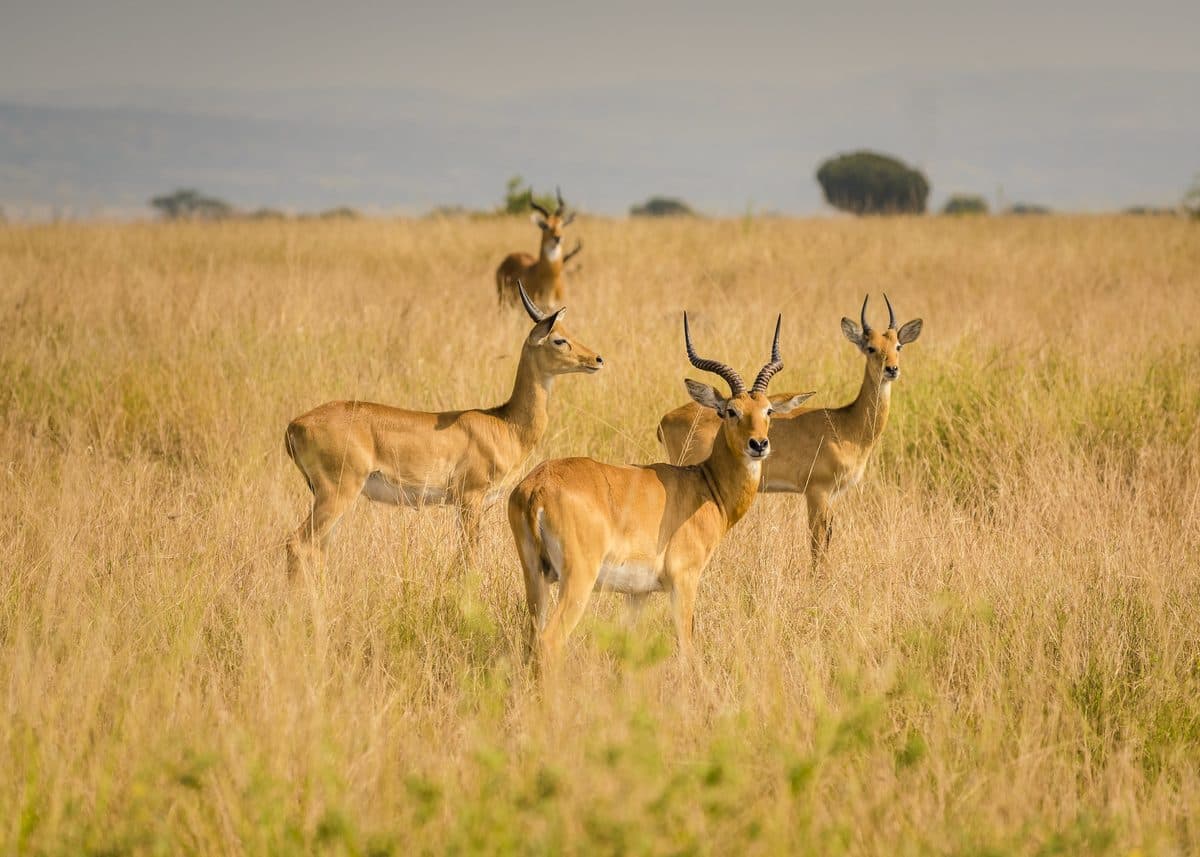
Ziwa
Uganda's only wild rhino, tracked on foot
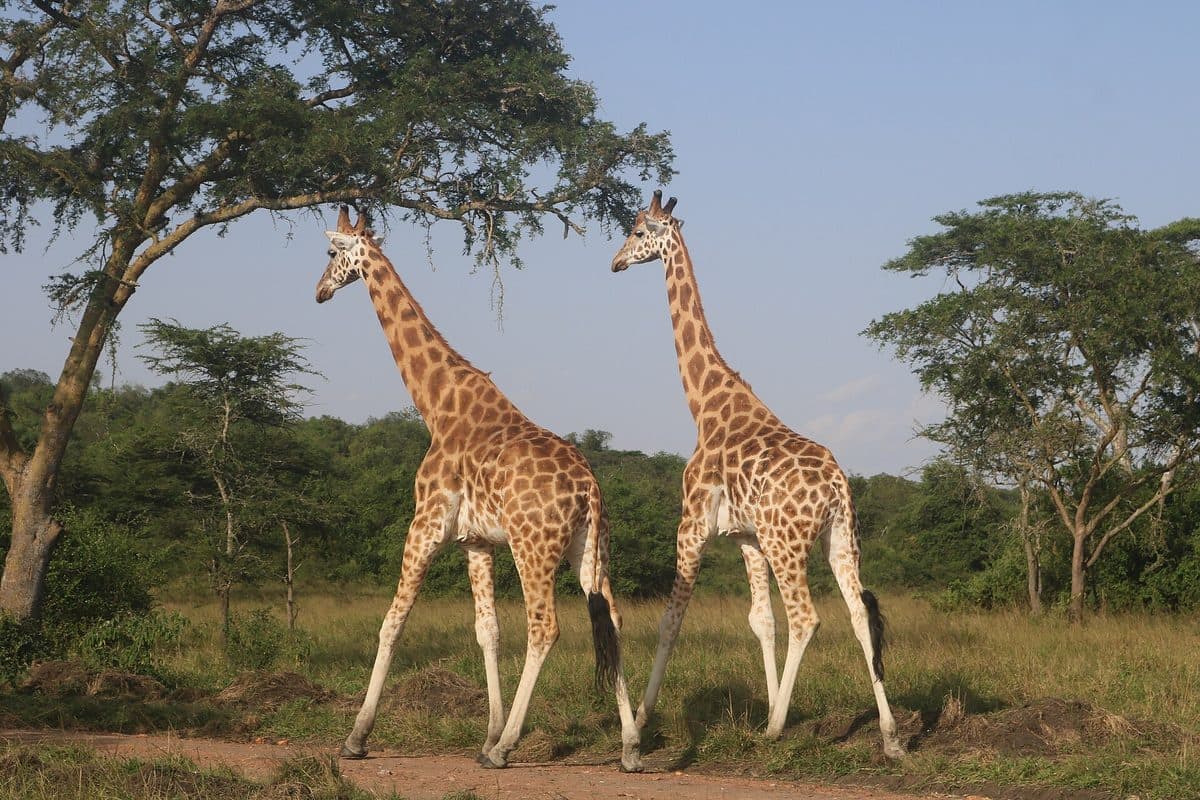
Lake Mburo
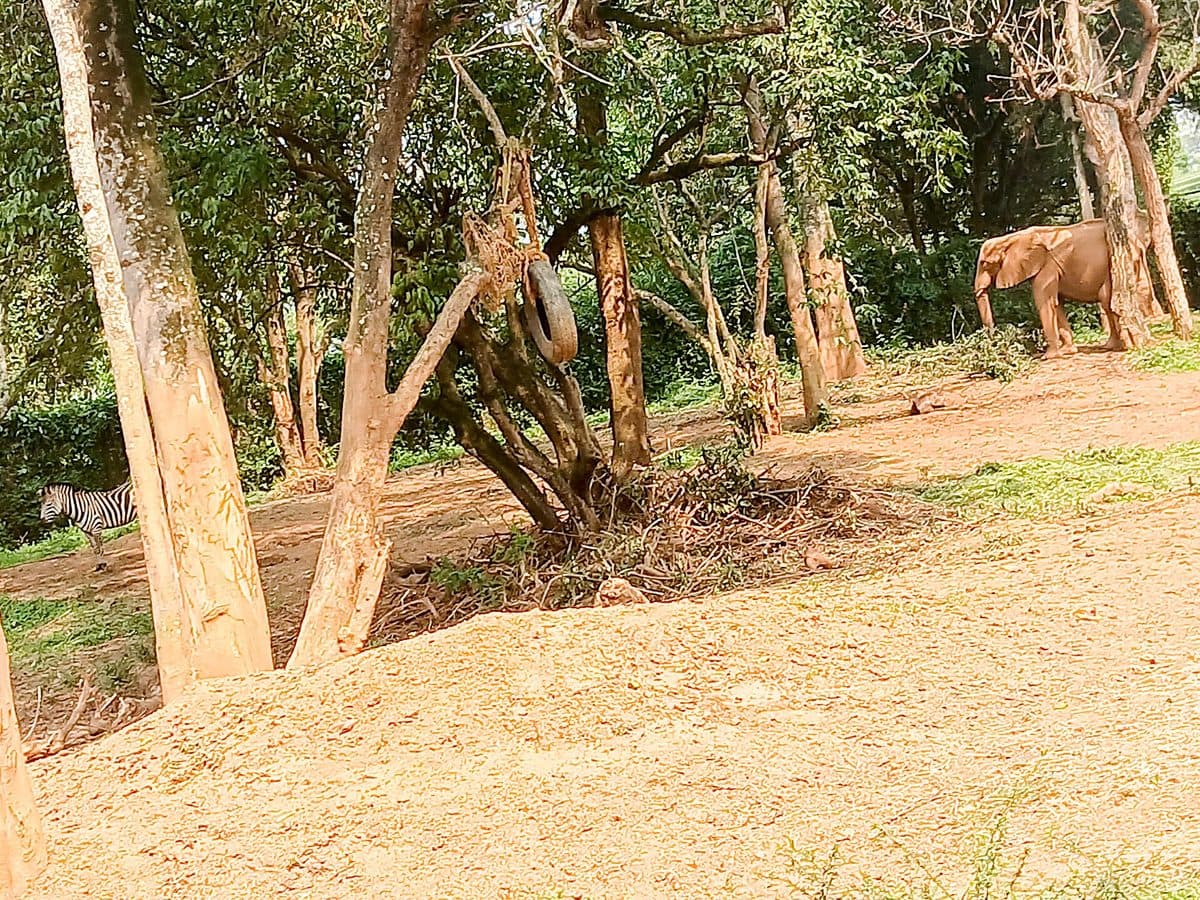
Zebra, acacia woodland and Uganda's most walkable park
Lake Bunyonyi
Terraced hills, twenty-nine islands and the place to recover after trekking
Entebbe
Uganda's lakeside gateway on the shore of Lake Victoria
Mgahinga
Volcano slopes, golden monkeys and a second gorilla option
Planning questions
Common questions about Uganda
How fit do I need to be for gorilla trekking?
Reasonably fit. Treks can last anywhere from one to seven hours through steep, muddy forest at altitude, and the terrain is genuinely demanding. Porters are available and strongly recommended, and rangers do their best to match visitors to a group whose location suits their fitness.
Are gorilla permits included in Citrus packages?
Permit costs are set by the Uganda Wildlife Authority and are a significant part of any gorilla itinerary. Whether a permit is included is stated explicitly in each package rather than assumed — ask us to confirm when you enquire.
Is Uganda a good first safari?
It is an outstanding primate destination but a harder first general safari than Kenya or Tanzania, because the driving is long and the savannah wildlife is less concentrated. Many travellers do Uganda as a second trip, or combine a short gorilla trek with a classic Kenyan or Tanzanian circuit.
Read more
Guides that cover this destination
Seasonal guide
Best time to visit Uganda
Uganda sits on the equator and rain is possible in any month. What the drier seasons really buy you is a less punishing walk through the forest.
ReadDestination guide
Gorilla trekking: an honest guide
What the permit costs you, how hard the walk actually is, and what that one hour is genuinely like.
Read