Destination guide · 8 min read
Gorilla trekking: an honest guide
What the permit costs you, how hard the walk actually is, and what that one hour is genuinely like.
By the Citrus Tour Safaris team
Where it happens
Mountain gorillas survive in only two places on earth: the Virunga volcanoes, spanning Uganda, Rwanda and the Democratic Republic of Congo, and Bwindi Impenetrable Forest in south-western Uganda. Roughly half the world's remaining population lives in Bwindi, which is why the Citrus Uganda routes centre on it.
Uganda also protects a single habituated family at Mgahinga, on the Virunga slopes, though that group occasionally crosses into Rwanda, which makes availability less dependable.
The permit
Permits are limited, tied to travel dates and form a significant part of a gorilla itinerary's cost. We confirm the current Uganda Wildlife Authority terms before purchase.
Because the number is capped, permits for the drier months sell out a long way ahead. We secure permit dates first and build the route around them. Whether a permit sits inside your quotation or is billed separately is always stated explicitly — it is too large a line item to leave ambiguous.
How hard is the trek?
Harder than most people expect. Trackers locate your assigned family at first light and you follow, which means the walk can be one hour or seven depending on where the gorillas moved overnight. The terrain is steep, wet and densely vegetated, at altitude, and a path is frequently cut ahead of you.
Rangers make an effort to match visitors to a family whose likely position suits their fitness, and porters are available at the trailhead. Hire one. It costs little, it makes a hard walk manageable, and it puts income directly into the communities living against the forest boundary.
Age and health rules apply. Confirm the current Uganda Wildlife Authority conditions before booking.
The hour itself
Once the family is found, the ranger explains the current observation, distance, photography and health rules. Visitors who are unwell should tell the operator before the activity.
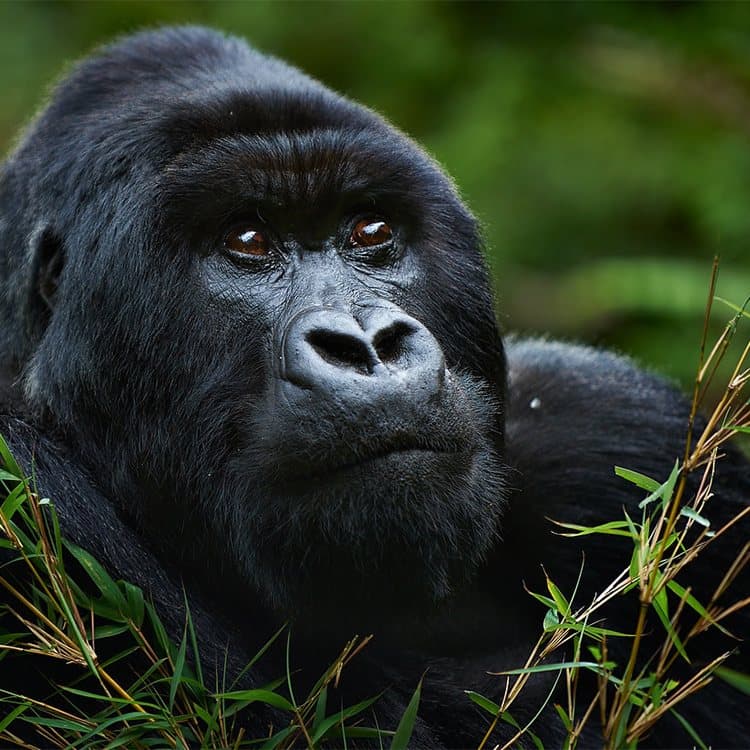
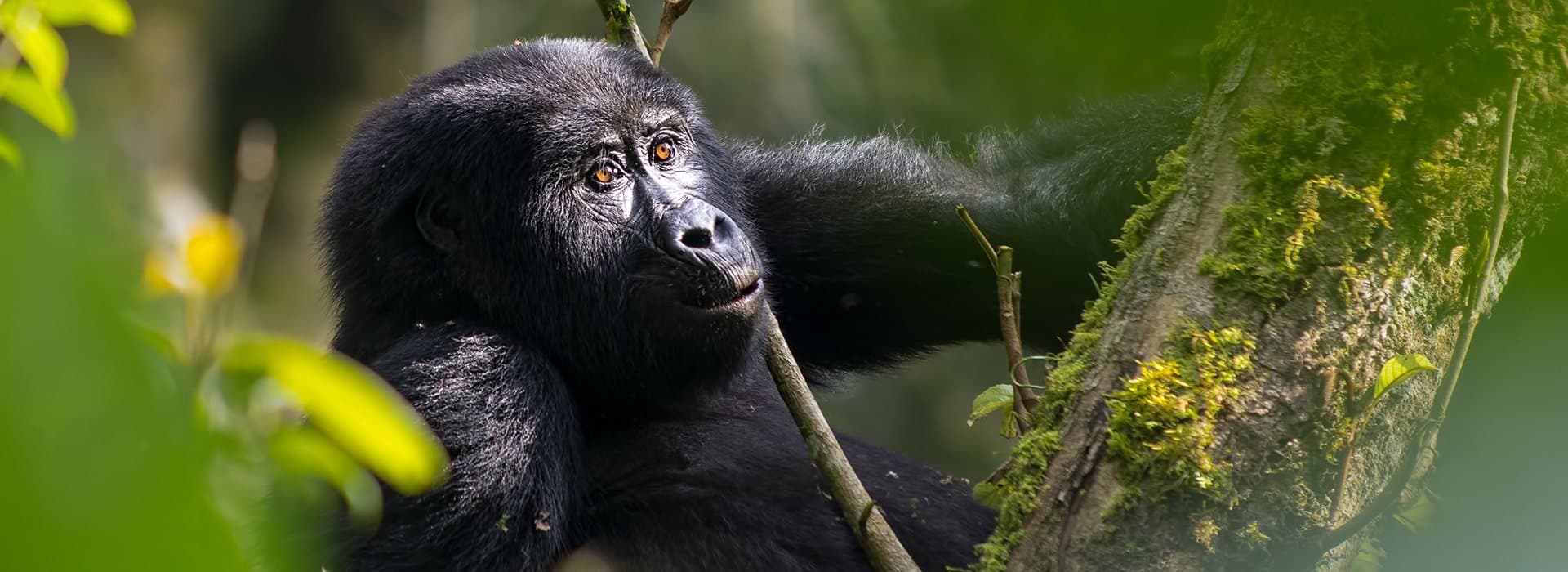
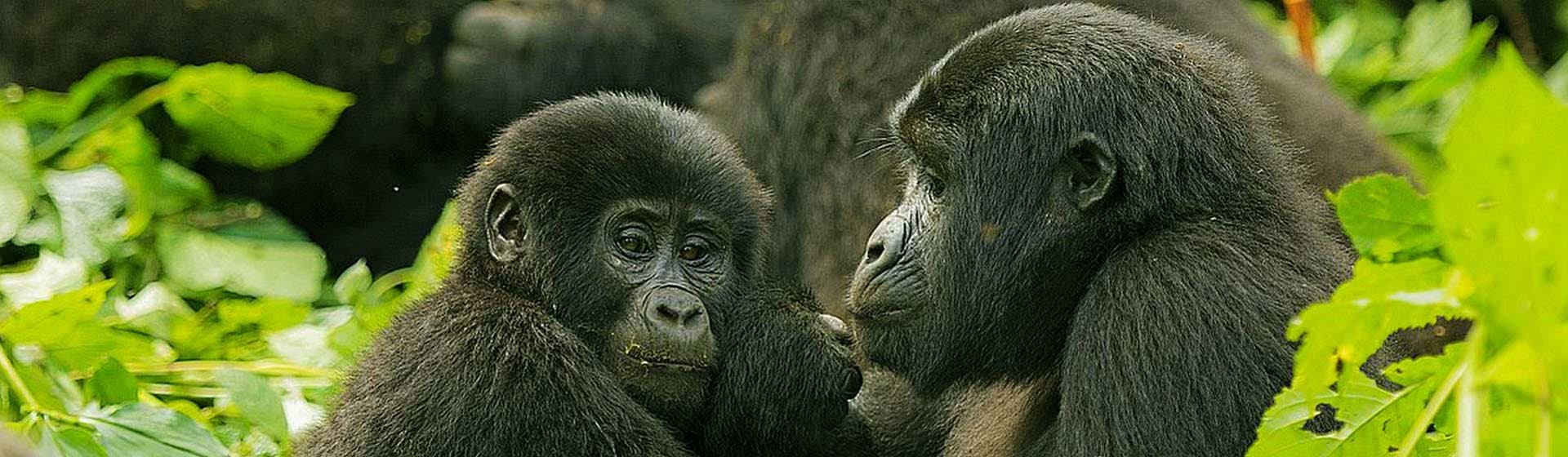
What happens in that hour is difficult to convey. A silverback weighing close to two hundred kilos sits a short distance away and is entirely unbothered by you. Juveniles wrestle in the vegetation and occasionally roll closer than the rules intend. Females nurse infants. Nobody performs, nothing is staged, and the overwhelming impression is of being briefly tolerated by something that has no particular interest in you.
It goes very quickly. Most people report the hour feeling like fifteen minutes.
Practicalities worth knowing
Wear long sleeves and trousers regardless of heat — the undergrowth includes stinging nettles. Take more water than you expect to need, and a dry bag for cameras. Gloves are genuinely useful for grabbing vegetation on steep ground.
Success rates in Bwindi are very high because the families are located before visitors set out. They are not one hundred per cent, and permits are not refunded if a group cannot be found, though this is uncommon.
The Batwa, and why the trek has a context
The Batwa lived as hunter-gatherers in these forests for millennia and were excluded when Bwindi became a national park in 1991. The Batwa experience offered near the park is led by community members and covers forest skills and medicinal plants alongside a frank account of displacement.
It is worth the morning. Gorilla conservation in Uganda is a genuine success story, and it has also had costs that fell on people who had least say in it. Both things are true, and the trek reads differently once you know the second one.