 Budget
4 days · Tanzania
4 Days Serengeti & Ngorongoro — Budget
Serengeti and Ngorongoro in 4 days, with simple, comfortable camps chosen for how close they sit to the wildlife. 3 nights on safari, priced on request.
Price on request
View safari
Tanzania
Endless plains and the engine of the Great Migration
The Serengeti is the largest and most celebrated park in East Africa, and its scale is genuinely difficult to convey — nearly 15,000 square kilometres of short-grass plain, acacia woodland, granite kopjes and river courses. It is the engine of the Great Migration: roughly two million wildebeest, zebra and gazelle move through it in a continuous annual circuit driven by rainfall, calving on the southern plains in February and pushing north through the year towards the Mara River. But the Serengeti is not only about the herds. It holds one of the densest lion populations anywhere, cheetah hunt the open central plains, and the kopjes — ancient granite outcrops rising from the grass — are classic leopard and lion territory. Different regions suit different months, which is why a well-planned Serengeti itinerary asks when you are travelling before deciding where you will sleep.
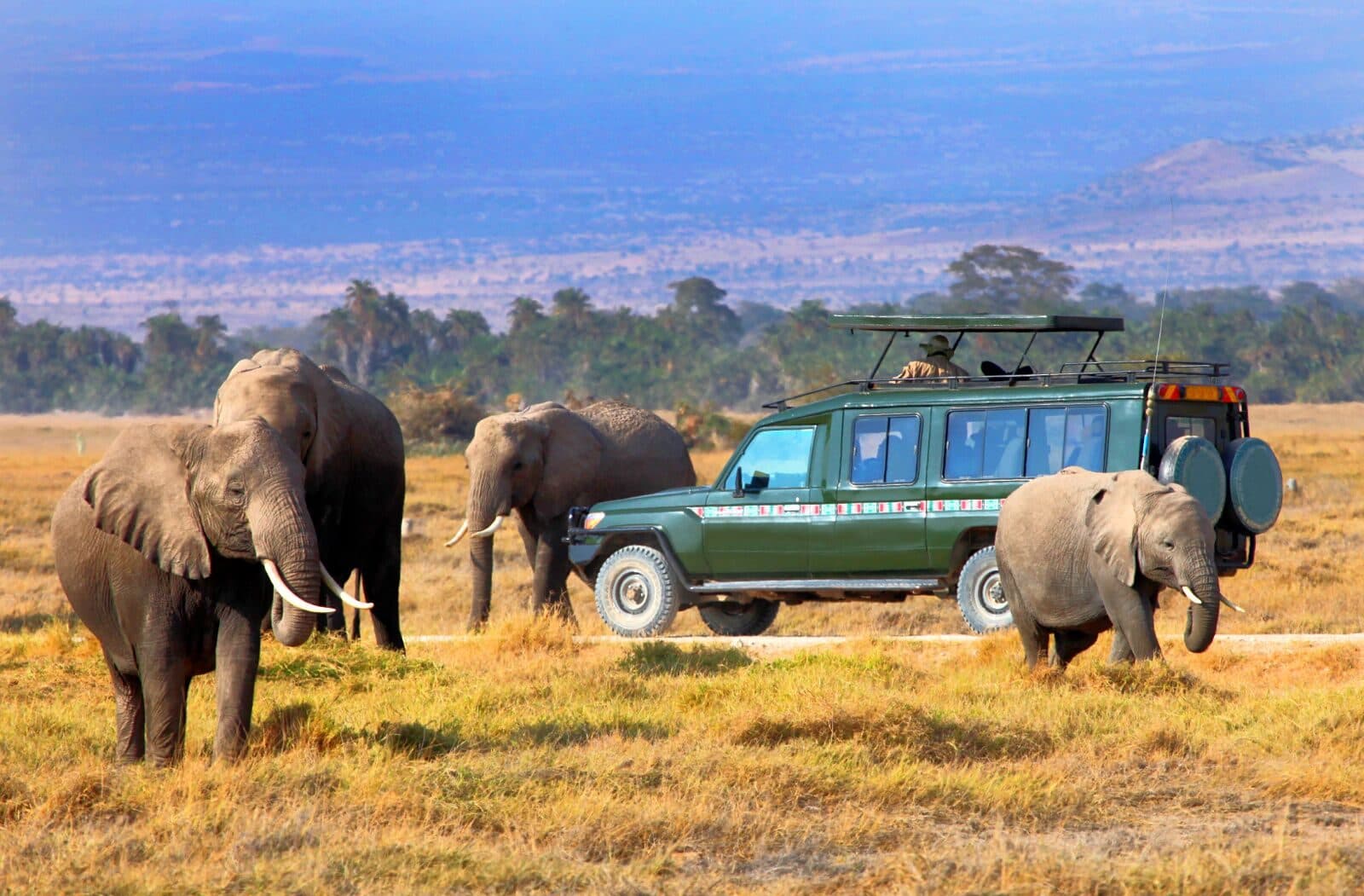
Lion in very large numbers, leopard on the kopjes and along the Seronera river courses, and cheetah on the open plains. Elephant, buffalo, giraffe, topi, eland and hartebeest are widespread. Black rhino survive in small, protected numbers and are rarely seen. Crocodile and hippo hold the Grumeti and Mara rivers, and spotted hyena are abundant.
Where you stay matters more than when. February brings calving to the southern plains around Ndutu. June and July see the herds through the Western Corridor and Grumeti. From roughly July to October they are in the north, where the Mara River crossings take place. Central Seronera holds excellent resident game all year and is the safest choice if your dates are fixed.
July–October for northern river crossings; late January–March for calving on the southern plains.
Two nights is the minimum and only works in the central region. Three nights allows a full day of driving without the arrival and departure legs eating into it. Four or more is needed if you are following the migration in the north or the Ndutu calving grounds.
Almost always combined with the Ngorongoro Crater, and usually with Tarangire and Lake Manyara on a full northern circuit. Cross-border routes link the Serengeti directly to the Maasai Mara, which is the same ecosystem.
Go there
23 routes in the Citrus catalogue include Serengeti.
Budget4 days · Tanzania
Serengeti and Ngorongoro in 4 days, with simple, comfortable camps chosen for how close they sit to the wildlife. 3 nights on safari, priced on request.
Price on request
View safari Mid-range
4 days · Tanzania
A carefully paced 4-day route through Serengeti and Ngorongoro, using the comfortable, well-positioned lodges most travellers choose. 3 nights on safari, priced on request.
Price on request
View safari Luxury
4 days · Tanzania
A 4-day journey through Serengeti and Ngorongoro, at the top of the market, with space, privacy and considered detail throughout. 3 nights on safari, priced on request.
Price on request
View safari Budget
6 days · Tanzania
This 6-day route links Lake Manyara, Serengeti and Ngorongoro, using value accommodation so that more of the budget goes into game viewing. 5 nights on safari, priced on request.
Price on request
View safari Mid-range
6 days · Tanzania
6 days across Lake Manyara, Serengeti and Ngorongoro, with proper beds, good food and lodges that sit where the wildlife is. 5 nights on safari, priced on request.
Price on request
View safari Luxury
6 days · Tanzania
A 6-day circuit taking in Lake Manyara, Serengeti and Ngorongoro, staying at premium camps and lodges where the setting is part of the point. 5 nights on safari, priced on request.
Price on request
View safariPlanning questions
It depends entirely on your month. Ndutu and the southern plains from late January to March, the Western Corridor around June, the north from July to October, and central Seronera at any time of year for reliable resident game.
Crossings happen mainly in the north between roughly July and October, but they are unpredictable. Herds can wait days at the bank and then cross in minutes. Anyone guaranteeing a crossing on a specific date is overpromising.
They are the same ecosystem divided by a border. The Serengeti is far larger and emptier; the Mara is more compact with higher predator density per square kilometre and lower park fees. Many travellers who can afford the time do both.
Read more
Seasonal guide
The migration is a continuous circuit, not a date in the calendar. Here is where the herds usually are, month by month, and what that means for where you should sleep.
ReadPlanning guide
They share an ecosystem and a border, and the wildlife is largely the same. The differences that actually matter are cost, distance, crowding and what you want a day to feel like.
ReadFirst safari
Three days is enough to justify the flights if you commit to one reserve. Most of the disappointment we hear about comes from trying to fit six places into five days.
ReadSeasonal guide
In Tanzania the month determines where in the Serengeti you should sleep, which matters more than almost any other decision you will make.
ReadFirst safari
The decisions that actually matter, in the order they matter, from someone who books these for a living.
ReadPlanning guide
Safari first, beach second, three or four nights minimum — and a word about the tides.
Read