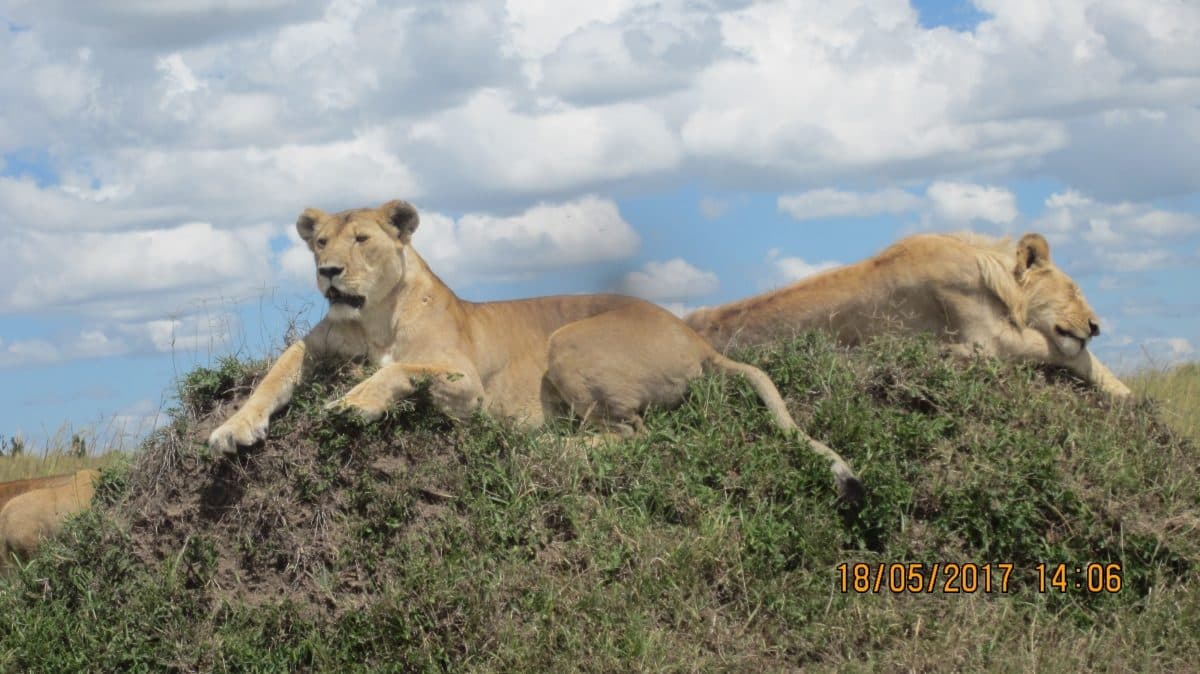
Lake Manyara is a narrow strip of park squeezed between the sheer wall of the Rift Valley escarpment and the alkaline lake itself, and that compression is what makes it interesting. In a few kilometres the habitat runs from dense groundwater forest fed by springs at the base of the cliff, through open acacia woodland, to grassy floodplain and the lake shore. Each band holds different species, so a short drive covers far more variety than the distance suggests. It is best known for lion that rest in the acacia branches — genuinely unusual behaviour, though not an everyday sighting — and for very large baboon troops. Because the park is small and sits on the road towards Ngorongoro, it is usually visited as a half-day rather than a destination in its own right.
Why visit Lake Manyara
- Tree-climbing lion, unusual behaviour seen in only a handful of places in Africa.
- Lush groundwater forest, quite unlike the dry acacia country elsewhere on the circuit.
- Very large baboon troops, among the biggest recorded anywhere.
- Excellent birding, with flamingo and pelican on the lake and forest species in the canopy.
Wildlife
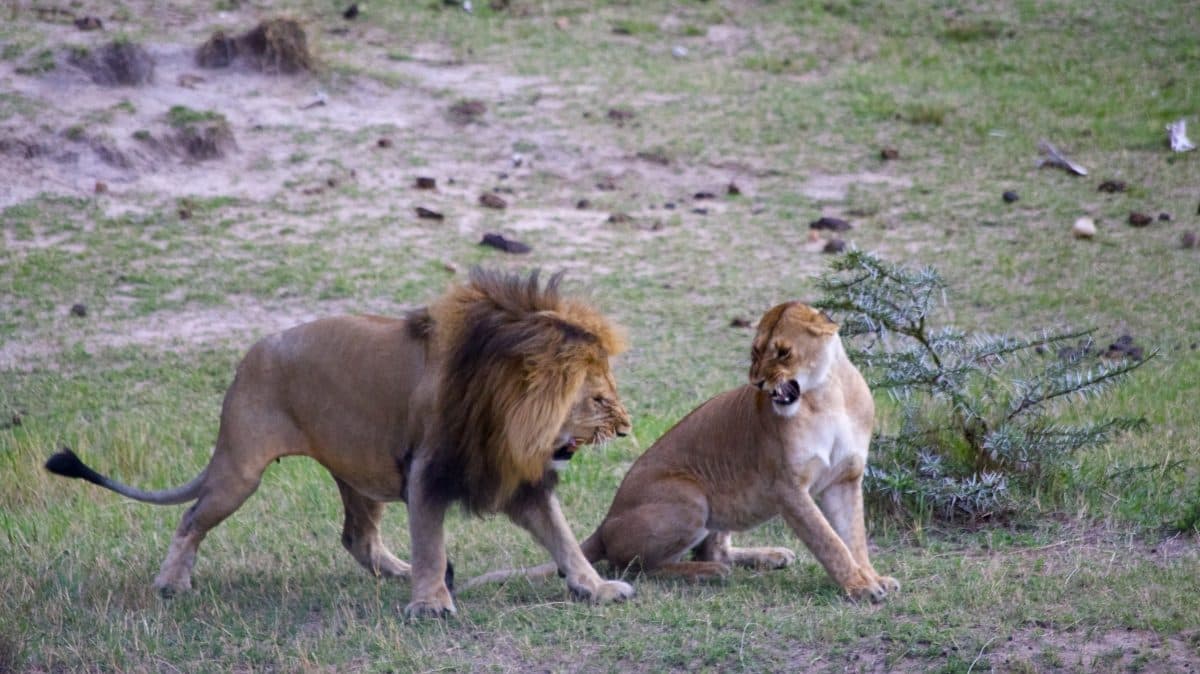
Elephant move through the groundwater forest, and buffalo, giraffe, zebra, impala and waterbuck use the open ground. Hippo hold the pools near the lake. Lion are present and occasionally in trees. Leopard occur in the forest but are rarely seen. The bird list exceeds 400 species, including large flamingo and pelican flocks on the lake, and there is a well-established canopy walkway.
- Lion resting in acacia branches, when they are found
- Elephant in dense groundwater forest
- Exceptionally large baboon troops
- Flamingo and pelican on the alkaline lake
- Blue monkey and silvery-cheeked hornbill in the forest canopy
Best time to visit
The dry months from June to October give the best mammal viewing. November to May is better for birds, when migrants are present and the lake holds more water, though the forest tracks can be muddy.
June–October for mammals; November–May for birds.
Things to do
- Game drives
- A half-day circuit through forest, woodland and lake shore.
- Treetop canopy walkway
- A suspended walkway through the groundwater forest, usually a separately paid extra.
- Birdwatching
- More than 400 species across forest, floodplain and lake habitats.
- Night drives
- Available in some areas and concessions, arranged separately.
How long to stay
A half-day visit en route to Ngorongoro is the standard treatment and is usually enough. One night makes sense if you want both an afternoon and a morning drive or plan to use the canopy walkway.
What it combines with
Manyara sits directly on the road between Arusha and Ngorongoro, so it is almost always combined with the Crater and the Serengeti, and frequently with Tarangire.


 Budget