Lake Nakuru is a shallow alkaline lake on the floor of the Great Rift Valley, entirely enclosed by a fenced national park. That fence is the reason it matters: it has made Nakuru one of Kenya's most important rhino sanctuaries, holding both black and white rhino in numbers that make sightings genuinely likely rather than a matter of luck. The park is compact and can be covered thoroughly in a half day, with yellow-barked acacia woodland along the shore, euphorbia forest on the eastern slopes, and viewpoints such as Baboon Cliff looking down over the whole basin. Water levels have risen substantially over the past decade, which has flooded some of the old shoreline and changed where the birds gather.
Why visit Lake Nakuru
- One of the most reliable places in Kenya to see white rhino, with black rhino also present in good numbers.
- Rothschild's giraffe were introduced here and are easily seen, distinguishable by their white lower legs.
- Compact enough to game-drive properly in half a day, which makes it an efficient stop on a longer Rift Valley route.
- Large numbers of pelican and, depending on water chemistry and level, flamingo along the shoreline.
Wildlife
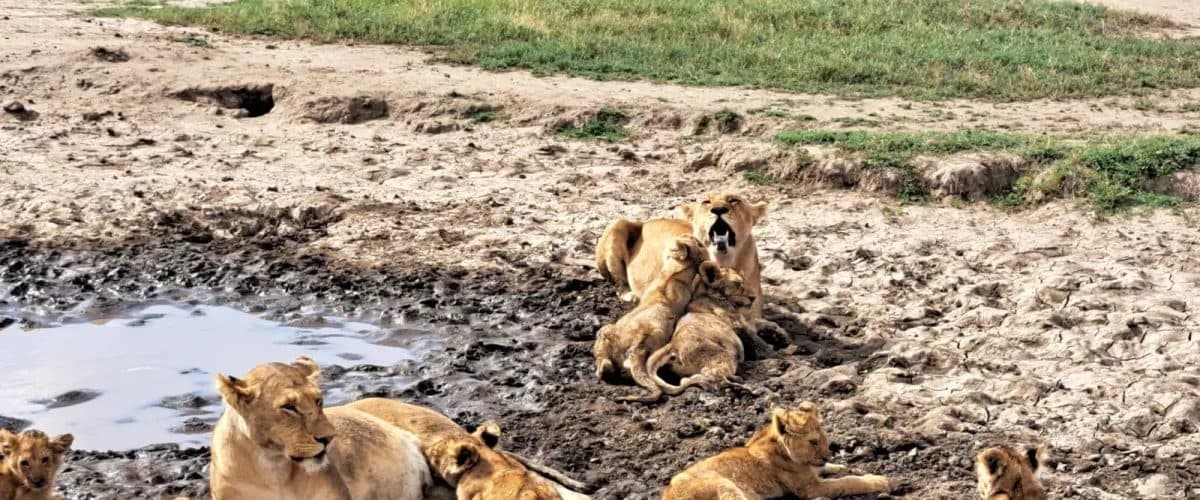
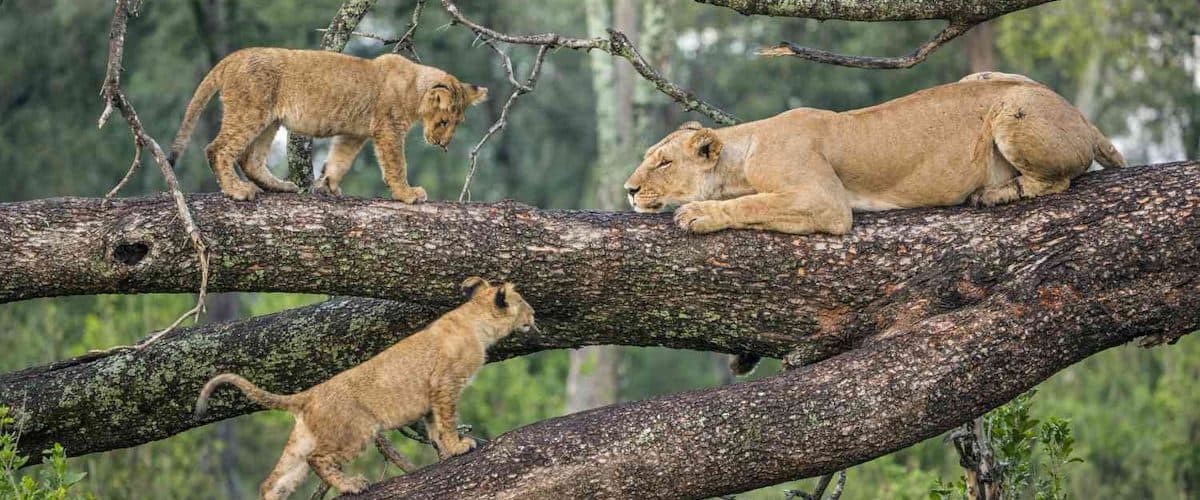
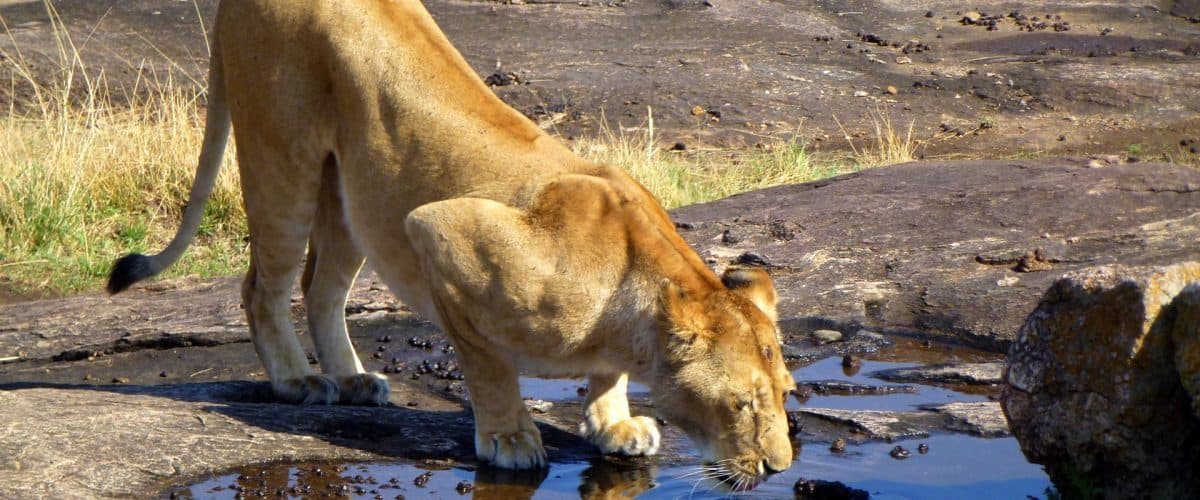
Rhino are the headline. White rhino graze the open lakeside flats and are the more commonly seen of the two species; black rhino are browsers and stay in thicker cover. Rothschild's giraffe, buffalo, waterbuck, impala and zebra are common, and lion are present, often resting in the acacia woodland or occasionally in the trees. Leopard occur but are seldom seen.
- White rhino on the open lakeside grassland
- Black rhino in the denser bush
- Rothschild's giraffe, introduced and now well established
- Great white pelican, and flamingo in numbers that vary with the lake's chemistry
- Defassa waterbuck, buffalo and Burchell's zebra
Best time to visit
Good all year. The drier months from June to March make the tracks easier and concentrate game. Flamingo numbers are genuinely unpredictable and depend on the lake's salinity and algae rather than the season; since water levels rose, many flamingo have moved to Lake Bogoria and Lake Elementaita, so large flocks at Nakuru cannot be guaranteed.
June–March for driving conditions; flamingo numbers vary independently of season.
Things to do
- Game drives
- The lakeshore circuit for rhino and waterbirds, plus the higher ground for viewpoints.
- Baboon Cliff viewpoint
- A short stop with a wide view over the lake basin, good for orientation and photographs.
- Birdwatching
- More than 450 recorded species, including large pelican flocks and a strong raptor list.
How long to stay
One night is usually enough, with an afternoon drive on arrival and a morning drive before moving on. Nakuru is most often used as a stop between Nairobi and the Maasai Mara, or between the Mara and Amboseli, rather than as a destination in its own right.
What it combines with
Nakuru sits on the natural road route between Nairobi and the Maasai Mara, and pairs especially well with Lake Naivasha an hour to the south. Longer northern routes link it with Ol Pejeta and Samburu.

 Budget